"Multikultura" Showed Russia Through Gastronomy.
The festival gathered the flavors of three regions where the chef lived, worked, and sought inspiration19.06.25
The "Gastronomic Routes" festival — a joint project by Maria Lobanova, Mikhail Shenshtein, and VK's content partnerships department — shows Russia through flavor. Each festival participant interprets local traditions and products as a personal gastronomic journey. Anton Tikhiy's menu isn't just a set of dishes but a sequential story in which every stop is tied to a city important to his professional path.
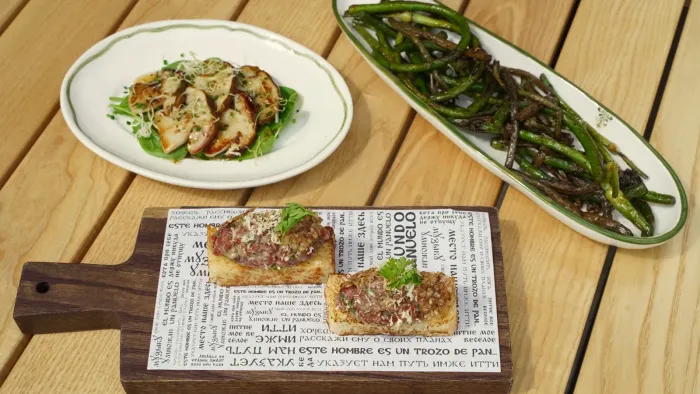
The first stop on the route is Vladimir — the chef's hometown. Everything starts here with a classic: marbled tenderloin tartare. But the recipe includes buckwheat noisette and horseradish, referencing not just Russian flavors but personal memories. This combination opens the menu with a simple, precise flavor. The next stop is Suzdal, the city where Anton first headed a kitchen — where he came into his own as a professional. The dish references the mushroom heritage of Vyazniki: porcini carpaccio dressed with wasabi and rounded out with spinach.

The finale of the gastronomic path takes place in Primorye, where the chef worked for several years and grew immersed in the local culinary culture. He chose fiddlehead fern and garlic scapes, sautéed in butter — a dish simple to execute but emblematic of the region, one way of sharing his experience and showing how natural ingredients become part of a gastronomic story. The whole idea is preserving locality while striving to share it in a Moscow context.
These dishes can be tried at the new gastrobistro "Multikultura," which the chef opened together with restaurateur Maxim Polzikov. The concept is built on family feasts in Polzikov's multi-ethnic family, which brought together Spanish, Russian, Jewish, and Azerbaijani roots. This blend of cultures runs through every recipe and even the interior.

Anton Tikhiy added his international experience and his impressions from traveling around Russia to the family traditions. The menu features a modern reading of familiar recipes: technique, presentation, and unexpected accents work in flavor's favor without getting in the way of nostalgia. This combination of care and a fresh perspective makes the festival menu a living story — one that carries a sense of movement while staying firmly connected to its roots.
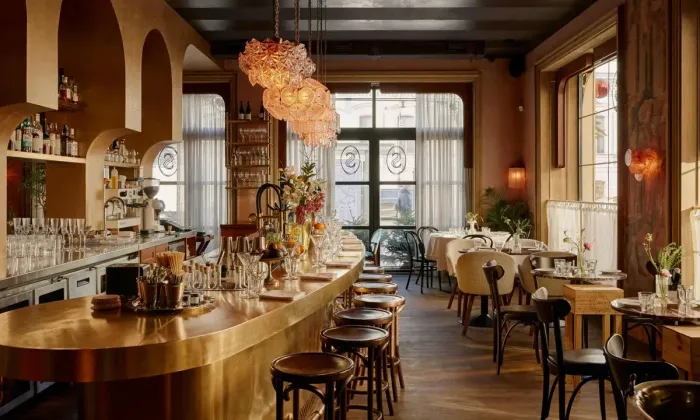
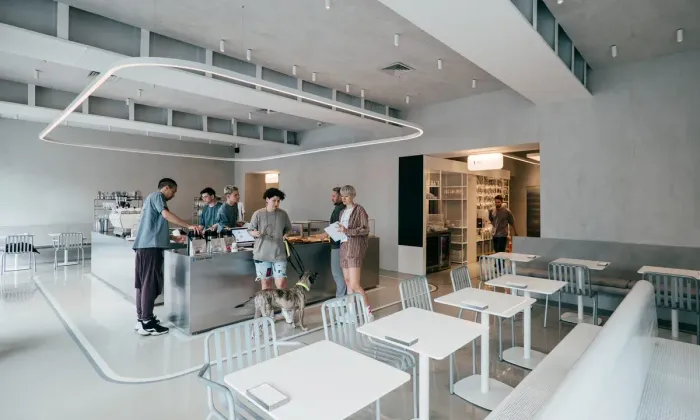
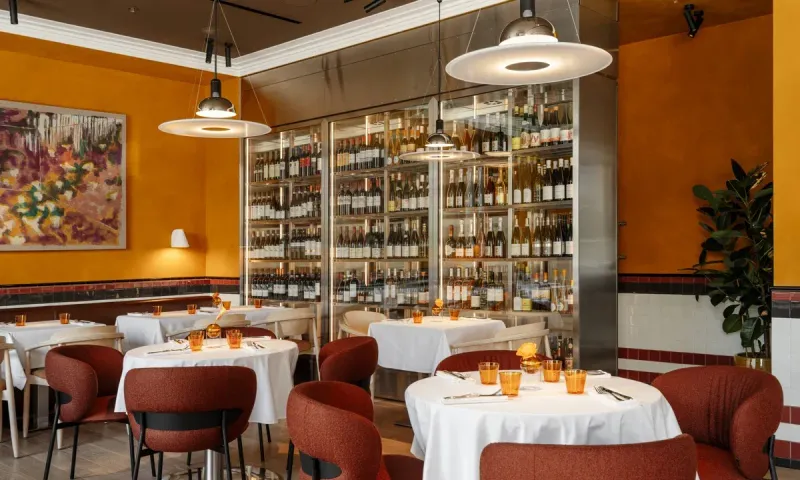
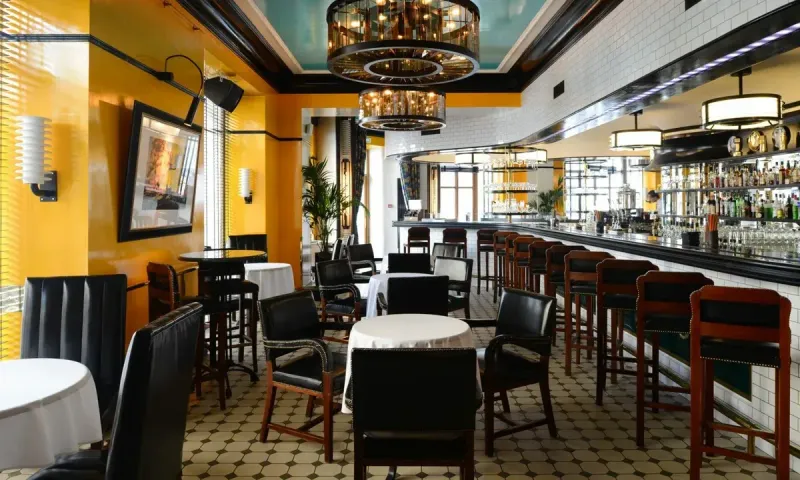
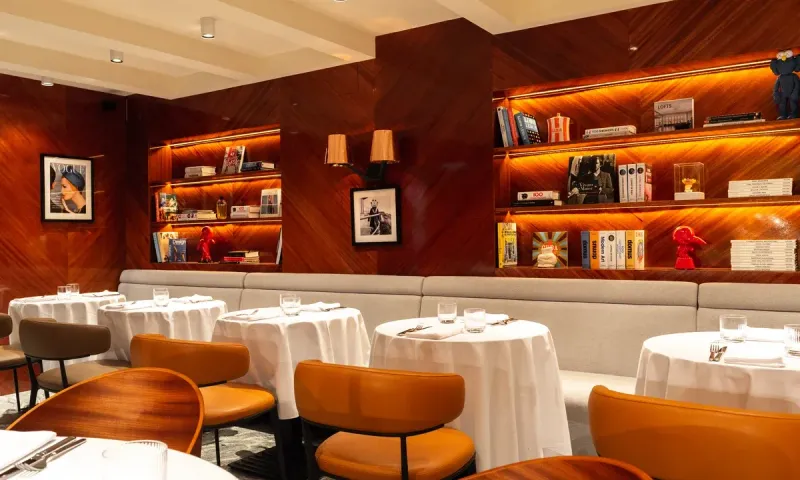
The restaurant space itself continues this idea. "Multikultura's" interior brings together details from different cultures: patterned tile, replicas of antique tile work, rugs, molding. None of it works as stylization — it's part of a living family story. The kitchen is open and built into the dining room, sustaining a sense of homely conversation, where the guest can be not just a spectator but a participant in what's happening.
Prechistenka, 24/1
19.06.2025
The best places in the city