Restaurant Nene Opens on Bolshaya Gruzinskaya.
Here's how the interior, menu, and bar of the Levchenko brothers' new Georgian gastronomy project work19.06.25
Restaurant Nene has opened on Bolshaya Gruzinskaya — a project by Mikhail and Denis Levchenko, known for J'PAN, RA'MEN, and Wu Shu. Instead of copying traditional Georgian cuisine, they've offered their own original take: a modern Tbilisi that has absorbed the rhythms of Berlin, the aesthetics of Paris, and a respect for Georgian culture. This is a restaurant about how Georgia can sound today — free, loud, hedonistic. The menu, interior, and even the bar tell one story here, but in different languages — of food, architecture, and drinks.
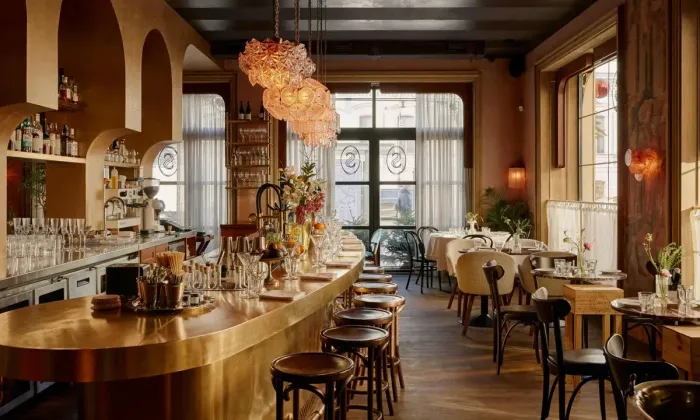
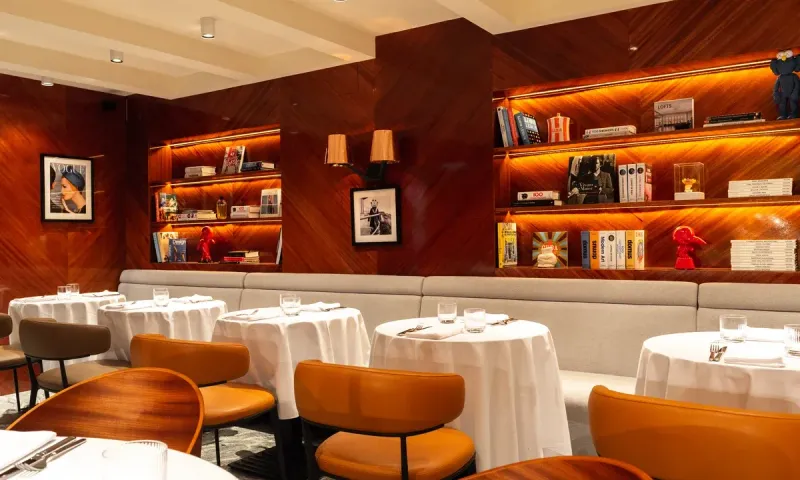
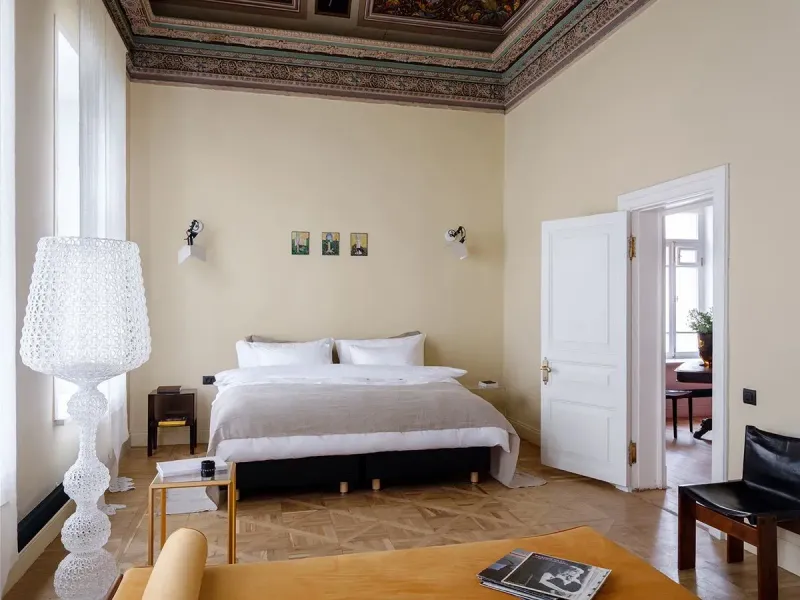
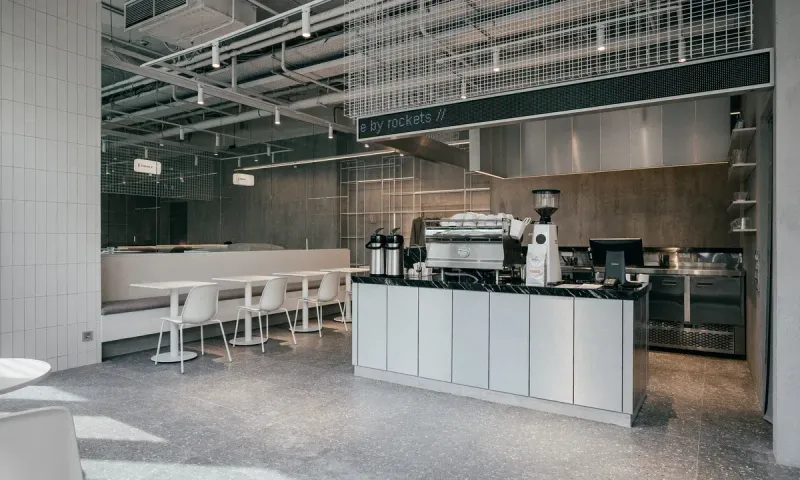
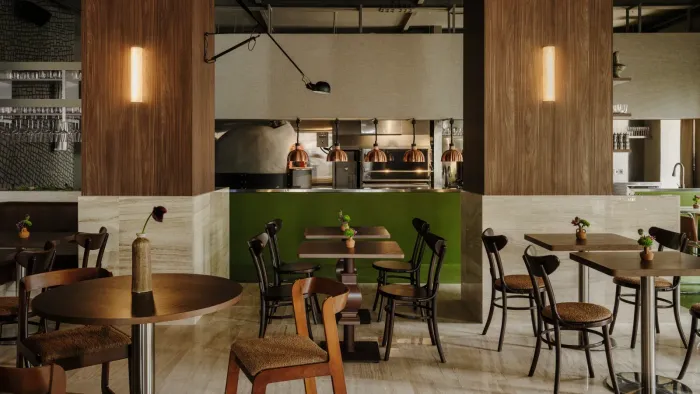
The interior was assembled from the visual impressions of Tbilisi. It's not a stylization of the old, but the rhythm of a modern city: natural stone, wood, antique furniture, textiles and ceramics from Georgia. The light fixtures were brought from Germany, the artifacts found at flea markets, and artist Roma Peeks painted the walls with murals resembling visual fragments of city streets. The ceilings have exposed beams, like in old houses, and mirrors are built in as part of the cityscape. Even the restroom speaks its own language — neon, techno, and metal create the atmosphere of a night rave.

At the heart of the kitchen is the idea of making the classics recognizable, yet unexpected. Khinkali are made with rabbit and chkmeruli cream, with seafood, potato, and dor blue cheese, or with beef and pepper sauce. The khachapuri aren't entirely ordinary either: with suluguni burrata, with beef pastrami, or with oyster mushrooms and truffle. Shoti flatbread is baked in a wood-fired oven standing right in the center of the room, served with a candle of spiced clarified butter. From the grill come glazed meat and fish, plus lyulya kebabs on skewers shaped like the female figure that's the restaurant's symbol.
The menu is thought through to the last detail. Brand chef Nikita Verchenko started with dips, which can be ordered separately or as an assortment. There are classic starters like lobio and satsivi, but with unexpected accents: the walnut sauce recalls vitello tonnato, and crunchy jonjoli sounds like a final chord. The salads use familiar ingredients — suluguni, eggplant, tomato — but in forms that are hard to predict. There's even suluguni burrata, made right in the kitchen. Main dishes range from rabbit tolma and squid chashushuli to potato gnocchi with pastrami. Every item is assembled like a building block: a classic flavor, but a new form.

The bar menu is assembled like a collection of images. Almost every cocktail references a person, event, or phenomenon from Georgian culture. Among the figures: electronic musician Tusia Beridze, artist Koka Ramishvili, tea master Shota Bitadze, the film "Ninotchka," and techno club Bassiani. The ingredients are no less layered: from barberry, feijoa, and quince to matsoni and cream soda. Chacha is served in clay shot glasses, like tequila, but with adjika instead of lime. There are infusions, limoncello, homemade lemonades with Georgian flavors, and cold fermented teas, like in the mountains.
The interior was assembled from the visual impressions of Tbilisi. It's not a stylization of the old, but the rhythm of a modern city: natural stone, wood, antique furniture, textiles and ceramics from Georgia. The light fixtures were brought from Germany, the artifacts found at flea markets, and artist Roma Peeks painted the walls with murals resembling visual fragments of city streets. The ceilings have exposed beams, like in old houses, and mirrors are built in as part of the cityscape. Even the restroom speaks its own language — neon, techno, and metal create the atmosphere of a night rave.

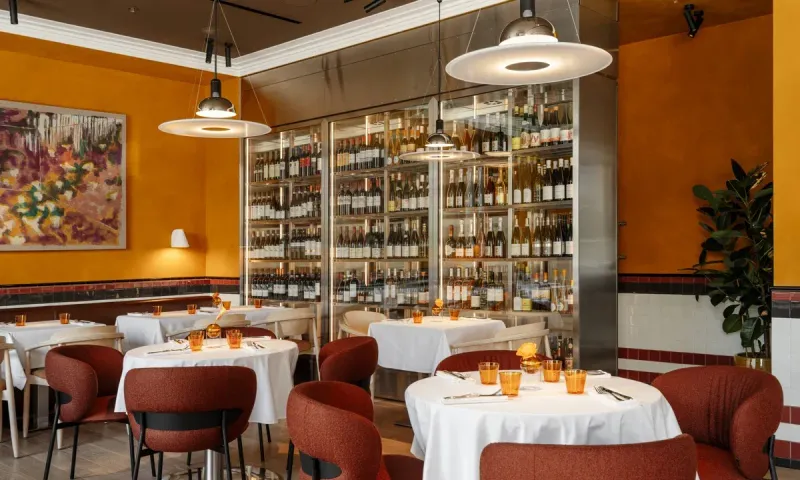
The wine list was put together not just from Georgian labels but from wines around the world. Each wine got a brief description of its body and acidity, to make choosing easier. There's an orange wine from qvevri, a rosé from Manavi, and a classic Mukuzani. There's even a saperavi blended with shiraz — Russian winemakers offering a fresh take on the traditional grape.
19.06.2025
The best places in the city