The Best Restaurants in Dubai
The Taste's guide to the best restaurants in Dubai: signature cuisines, views of the Burj Khalifa and the bay, and addresses for breakfast, a business lunch, and a long evening with friends.13.08.26
Dubai is overloaded with restaurants — the team at The Taste guide picked only the addresses in this list that are truly worth an evening.
The best restaurants in Dubai aren't just a view of the Burj Khalifa or a terrace by the sea — they're specific chefs, cuisines, and rooms worth booking a table for in advance. In a city with a density of venues per square metre that unsettles even seasoned guides, we've gathered addresses where the kitchen and the atmosphere work together: gastro-bars from Russian restaurateurs next to izakayas and brasseries from Michelin-starred chefs, steakhouses with a view of the tallest building in the world, and pâtisseries free of sugar and gluten. Here you'll find Dubai restaurants for a business lunch in DIFC, a family dinner on Palm Jumeirah, and breakfast in Jumeirah with a view of the garden. If you're wondering where to go in Dubai on your next trip, start with this list: it gathers Dubai restaurants vetted by The Taste's editors, from Japanese and Italian cuisine to Greek classics and author's tasting menus.
Dubai Hills Business Park, 4
In Dubai Hills Business Park, the gastro-bar Duo band — a project by Dmitry Blinov and Renat Malikov — builds its menu on a European base with Asian accents: octopus with romesco, spaghetti with Kamchatka crab, beef tartare with parmesan, chicken with chanterelles and black truffle. The wine list is assembled like a memory of travels through Europe's vineyards. The room is calm and understated: muted colours, natural textures, nothing showy — this is where you go for dinner without fuss but with a bright flavour. At the bar, cocktails add to the mix, so it's just as easy to come here for dinner as for a long conversation at the counter.
Gate Village, 4
In the kitchen at Gaia in Gate Village works Izu Ani — a chef who previously launched the bar at LPM and designed the menu for Carine at the Emirates golf club. Here it's Greek-Mediterranean cuisine without excess: mezes, grilled fish and seafood, vegetables, and cocktails that nod to ancient winemaking traditions. The room is styled as a bright Greek taverna. Among the regulars are members of the UAE royal family, Sheikh Mohammed bin Rashid Al Maktoum and his son Sheikh Hamdan — which says a great deal about the place's standing. Vintage clocks, amphorae, and light tones make the room part of the Greek mood rather than a resort-style prop.
The fifth project from White Rabbit Family — Boris Zarkov and Vladimir Mukhin — opened on J1 Beach in Jumeirah and bet on seafood: oysters, scallop carpaccio, tuna tartare, the signature crab, black cod with miso, lobster, and a choice of ribeye. The interior is built from contrasts — grey-beige sofas with bright cushions, orange and cream chair upholstery, stone tabletops under white tablecloths. Arched windows let in the light and open onto a sea view. The kitchen rests on fish and seafood, and the panoramic room adds Dubai-scale grandeur to dinner without unnecessary theatrics.
In Dubai Opera Plaza, Vladimir Chistyakov (Grace) and Aleksandr Loshchinin (Folk) put together a menu where classic French cuisine meets Middle Eastern spices: a foie gras terrine with apricots, stuffed dates, a chocolate truffle. The cocktails are dedicated to literary characters, from Saint-Exupéry to the tales of the Thousand and One Nights. The interior was designed by South African architect Tristan du Plessis — the result is a Parisian library with marble and crystal. This duo makes the restaurant approachable for a dinner without a strict protocol, yet with clearly authored work in the kitchen.
On the ground floor of the Address Downtown hotel, Vladimir Mukhin built dinner as a performance: eight tasting courses, each accompanied by its own audiovisual projection on the walls and ceiling. The room combines luxury with futurism — a glossy wood bar counter, velvet chairs, round tables with light tablecloths. At the centre of the room is a table with interactive installations, around which the whole show is built. The drink pairings are considered for every course. The immersive room supports the idea: dinner here reads not as a show instead of food, but as a different way of looking at familiar flavours.
Joey Ghazal's restaurant at The DoubleTree by Hilton has been running since 2015 and stays the course on seafood: oysters, lobster, and fresh fish sit on the menu alongside steaks and chops. The interior is inspired by the US East Coast, where the founder spent his summer holidays — dark wood, lavish chandeliers, contrasting mosaic flooring, and live plants create the atmosphere of a vintage New England bar. Over the years, The Maine has picked up awards like "Best Newcomer" and "Best Restaurant Bar." Thanks to that, The Maine remains a restaurant where you can build an evening around oysters, the grill, and a glass of wine.
An izakaya in Gate Village, a couple of steps from the Burj Khalifa, cooks Japanese food with no eye on the classics: miso-marinated black cod in a hoba leaf, spicy beef tenderloin with sesame and chili, grilled Chilean sea bass with green pepper and ginger. On Saturdays from noon there's the Baikingu brunch — sushi, robata, hot and cold snacks with no limits. Two floors, dim lighting, soft interior shapes, and panoramic windows with a view of the city complete the picture. The format suits a business dinner and a late evening alike, whenever you want Japanese cuisine without museum-like formality.
On the grounds of the Four Seasons Resort in Jumeirah, Nammos Dubai has its own terrace under the stars and a light-toned dining room with wicker chairs and wooden columns. The kitchen is Mediterranean: tuna or beef tartare, carabinero carpaccio with lemon and olive oil, homemade pasta, risotto, wagyu, and a choice of chicken. Panoramic windows open onto the sea, and the bar list offers both classics and original cocktails — a format for a long, unhurried dinner. The place runs on contrast: relaxed beach-style seating, live music, and a menu where simplicity rests on the product.
At ICD Brookfield Place, Australian chef Tom Arnel built a menu around seafood — North Atlantic lobster, Kelly oysters, Kamchatka crab. The interior was designed by London designer David Archer, the mind behind Chiltern Firehouse and The Standard Hotel: four different rooms under one roof — Nurseries, in the spirit of New York's Tribeca; Rockpool, with a stone pool and aquariums; Salon, with crystal chandeliers and white tablecloths; and Aviaries, for cocktails and music. The space is split into several zones, so you can pick the distance you want from the evening.
On the ground floor of the Jameel Arts Center, Carlos Frunze cooks on a farm-to-table principle: seasonal produce from small local farms, Scandinavian techniques, minimal excess. Care for the environment is baked right into the menu — fermenting, pickling, and reusing ingredients cut down on waste. The room is finished in light wood, with live plants around and panoramic windows facing the bay, which makes Teible a convenient choice for a business lunch and a quiet dinner for two alike. The restaurant sounds contemporary without losing touch with local product and the seasons.
The three Orfali brothers — Mohamad, Wassim, and Omar — came to Dubai from Syria and opened a bistro in WASL 51 MALL where Middle Eastern cuisine is reimagined without deference to tradition. Mohamad runs the kitchen, blending techniques from around the world, while Wassim and Omar are professional pastry chefs, which makes dessert a reason on its own to visit. In 2023, Orfali Bros Bistro took first place on the MENA's 50 Best Restaurants list and made it onto The World's 50 Best Restaurants. Middle Eastern flavours are recognisable here, but served as author's cuisine rather than an ethnic postcard.
The team of Pinsky, Istomin, and Losev carried the Moscow concept Loona over to Vida Residence Downtown almost unchanged: handmade pasta, wood-fired pizza, the day's catch, crab polpetta with panzanella, almond tortellini, and a mango tiramisu. The interior is by Evgenia Uzhegova (Livingnow Studio, behind Moscow's Eva, Muse, and Lila Pastry) — stone, wood, and marble with no visible line between the dining room and the street. In the Dubai version, the bet on open fire and handmade pasta reads especially well.
In DIFC there's a Michelin-guide restaurant with the simplest possible idea — plain Italian food, made right. The cooks come from different regions of Italy, but the ingredients for the pasta, starters, seafood, and desserts are shipped straight from Italy, no compromises. The room is classic: glossy wood, polished steel, leather chairs, and white tablecloths — an atmosphere geared as much toward a business lunch as an evening dinner. People come here not for experimentation but for a flawless take on familiar Italian cuisine.
Dubai has its own corner of Japanese izakaya culture: low tables with cushions instead of chairs, a bar counter, and an open kitchen in full view of the guests. The ramen is made by hand to traditional recipes — shoyu with soy sauce or miso with a rich, spicy broth — alongside thin-skinned gyoza, crisp shrimp tempura, sushi, sashimi, and dishes made from marbled wagyu beef. The minimalist interior and natural materials keep the focus on the food rather than the setting. What matters here isn't a striking view but the ramen, the rice, the grill, and the feel of a living neighbourhood izakaya.
At The St. Regis Dubai on Palm Jumeirah, this Italian restaurant works the classics: caprese with mozzarella and basil, beef or tuna carpaccio, carbonara and bolognese pasta, ravioli with lobster or ricotta, seafood risotto. The room is built on a contrast of materials — mirrored ceilings reflect the light, dark-green marble at the bar sits alongside terracotta leather chairs and live trees between the tables. The list includes Italian wines, original cocktails, and coffee. Altogether it makes Signor Sassi a dressed-up piece of Italian classicism for an evening on the Palm.
Loren carries the image of the Italian Riviera over to Palm West Beach: marble arches, white tablecloths, floral upholstery, and a wooden bar bring the room together into calm, resort-style classicism. The menu stays with an easy, unfussy Italy: tortelli Loren, cavatelli with seafood, spaghetti vongole with bottarga, risotto with shrimp or porcini. For dessert — tiramisu, chocolate profiteroles, soufflé, and the signature Loren No. 5. A good fit for when you want an Italian dinner with sea air and understated elegance.
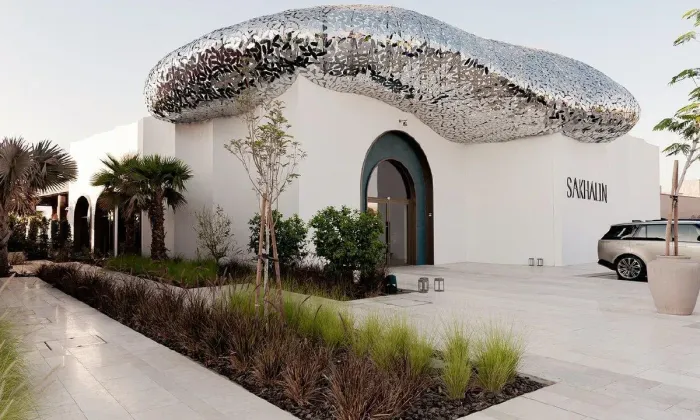
A black-and-white palette with a grey bar counter sets the tone: minimalism without pretension, but with imagination on the plate. In the dining area, at the tall bar, or in the corner with a garden view — the choice depends on your mood. Turkish-style eggs with chili butter and warm garlic labneh on grilled flatbread, a halloumi bowl with poached egg, avocado, hummus, and pumpkin — the kitchen goes beyond a familiar brunch. The coffee list holds both original recipes and the classics for those not ready to experiment in the morning. It's a rare case where breakfast comfortably carries the weight of a standalone restaurant occasion.
Indian cuisine here isn't afraid to mix with other traditions — chef Prashant Chipkart adds notes from kitchens around the world to classic starters and kebabs. But the real draw is the bar list: one of the largest gin collections in the city and dozens of cocktails, from strict classics to bold original mixes. Stained glass, bright wall patterns, and dim lighting create an almost theatrical atmosphere — this is a place to visit less for a quiet dinner than for an evening with mood and a good drink in hand.
The branch of legendary French chef Joël Robuchon's chain in DIFC is recognisable by its signature red-and-black palette and open kitchen — you can watch carpaccio, salmon tartare, or a foie gras terrine being prepared right at the marble bar. Brand chef Roberto Torre treats the original recipes with care, so the porcini risotto and the beef tournedos are served almost exactly as Robuchon himself intended. Wooden tables, a marble floor, and tall stools at the counter set a scene for those who want dinner with history and attention to detail.
Mansour Bassam's project in the city centre specialises in meat and seafood cooked over coals — this is where people come specifically for a steak cut from a carefully chosen piece. Two rooms offer different moods: a classic steakhouse with black walls and red sofas, or a more formal option with chandeliers and white tablecloths. The terrace is louder and livelier, with a view of the Burj Khalifa from the windows. A strong wine list and pleasant music round out the evening for anyone who values meat without unnecessary experiments.
The team calls this place a home of Japanese culinary craft — not without reason: the chain's first restaurant opened in Souq Mall back in 2014, and the concept hasn't changed since. The menu holds starters, traditional soups, sushi, rolls, and dishes from the robata, the Japanese charcoal grill. Dark tones, understated furniture, and natural materials in the interior, designed by Rania Hamid's team, recreate the atmosphere of a typical Tokyo sushi bar — restrained, free of excess decor, focused on the food. Come here when you want Japanese cuisine in its purest form: no overload of sauces, but real respect for technique.
The Dubai project by American chef Michael Mina combines classic French cuisine with Mediterranean notes — from light salads to seafood and steaks off the grill. Inside the Four Seasons hotel, the interior looks the part: greenery, large chandeliers, art on the walls, white tablecloths, and soft light. The original cocktails and desserts deserve special attention. On Saturdays, from lunch into the early evening, there are brunches with live jazz — a good excuse to stretch out the weekend. In the evening, the place easily shifts from a business format into a full dinner with wine and a solid French base.
On Bluewaters Island, this restaurant recreates the mood of Mykonos: white and blue finishes, plenty of live plants, natural materials across two floors. The kitchen is contemporary Greek: marinated anchovies with red pepper and tzatziki among the mezes, grilled octopus with hummus, sea bass, and moussaka among the mains. Wine or light cocktails pair with the food, and in the evening the mood is stoked with live music and traditional plate-smashing dances — better to come here with a big group and be ready for noise. What matters most on the menu is the Greek flavour without heavy stylisation: fish, mezes, and honest Mediterranean generosity.
Italian chef Niko Romito's restaurant at the Bulgari Resort Dubai echoes the Bulgari hotel in Milan — the same elegant style, black-and-white photos of Italian film stars on the walls, a lavish bar, and a view of the Persian Gulf from the windows. Chef Giacomo Amicucci runs the kitchen: the dishes are built on balance and clarity of flavour, with many ingredients shipped straight from Italy. For those who want the full picture, there's a tasting menu — an easier way to follow the logic of the menu instead of settling on a single dish. The restaurant doesn't argue with Bulgari's resort-level luxury; it translates it into the language of pasta, risotto, and understated service.
On the 22nd floor of Atlantis The Palm, Japanese cuisine meets South American accents — a concept devised by chef Nobu Matsuhisa. The menu is heavy on seafood: a tuna sashimi salad, tempura shrimp with a spicy creamy sauce, yellowtail with jalapeño, the signature black cod miso. The chef himself recommends ordering at least three mains and not skipping sushi with dessert. Red leather sofas, warm light, unusual chandeliers, and panoramic windows with a bay view set a scene worthy of the bold menu. This is the address where a recognisable brand rests not on the name but on consistent technique and a strong product.
The Tashas group's project on the Pearl Jumeira coast recreates the mood of the Riviera — but with a contemporary take on Mediterranean classics. The dishes lean on olive oil, ripe tomatoes, cheeses, fresh herbs, and, of course, plenty of seafood. You can come here for breakfast, lunch, or dinner — the opening hours allow it. Bright floor tiles, mosaic wall panels, and rich colours in the decor keep the interior from blending into typical Mediterranean minimalism, and the terrace with a bay view is a reason on its own to stay longer.
The second Dubai location of Dima and Alina Tutkov's project, on Bluewaters Island, keeps the principles of the Moscow pâtisserie: no refined sugar or gluten in the desserts, plenty of vegan options, and a full switch from plastic to biodegradable packaging. Coffee is a priority here too — the team works to keep the drink's clean flavour, the one familiar from Russia. The menu includes wellness versions of familiar dishes: caesar salad, pancakes, cheesecakes. A summer terrace and a colouring corner for kids make the place convenient for a family breakfast.
The Angel Cakes location in Dubai Mall continues Dima and Alina Tutkov's project, which already has pâtisseries in Moscow, Volgograd, and Krasnodar. Breakfast is served all day here: bowls, avocado toast, shakshuka — for those who wake up later than everyone else. The dessert section includes gluten-free and vegan options, including a keto cheesecake. The bright interior matches the name, and the care for the environment shows in the full switch from plastic to biodegradable packaging. That's why the place fits naturally into a restaurant list: you can not only drink coffee here but eat properly between errands around the city.
13.08.2026